Smart City
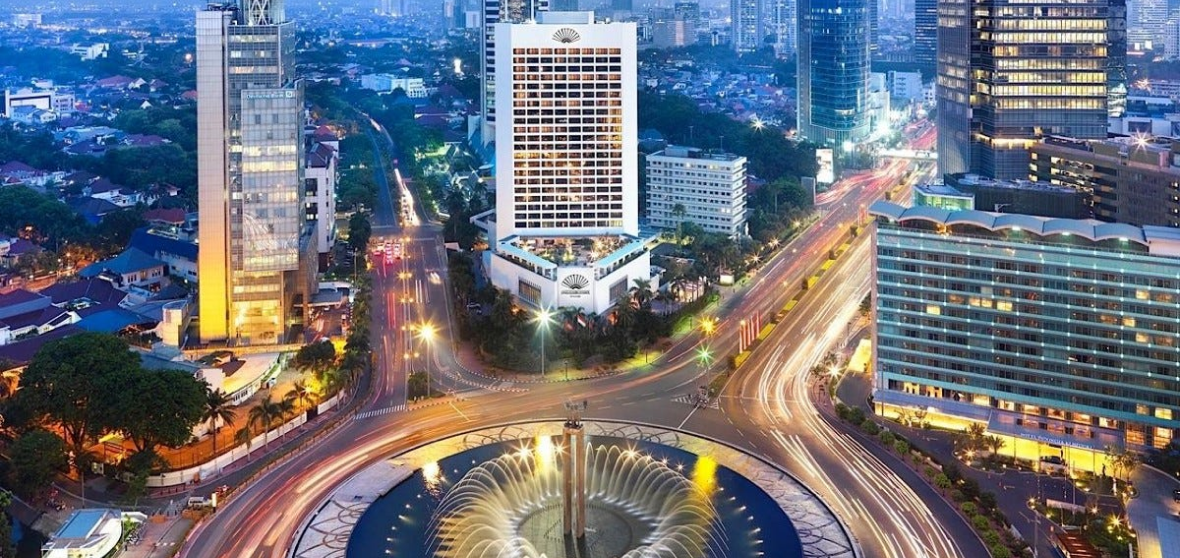
The challenges of today's cities are the increasing number of people migrating to cities, the requirements for improving the quality of life of the society, managing the growing urban traffic, guaranteeing a high level of security, the integration and access to existing public information systems. For the city, being smart means improving the quality of life in all the seemingly independent areas mentioned above from year to year.
A Digital Platform for Urban Infrastructure Management - Metropolis
The Metropolis Digital Platform for Urban Infrastructure Management allows for planning, implementation, monitoring and billing of smart services in the city
Support for managers of modern cities is provided by the ISO 37120 standard, which introduces standardization of concepts within the debate on the definition of "Smart City". This standard defines 17 quality of life areas in cities and agglomerations based on 100 unambiguously defined coefficients.
The Metropolis platform is compliant with the ISO 37120 standard, it supports efficient and modern city management, in line with the idea of sustainable urban development. It integrates urban services and technologies into a single central system, while improving the coordination of urban services and enabling the active participation of the public in the provision and reception of information.

The Metropolis system allows to:

Benefits of Metropolis implementation for the city and its residents:
Basic solutions of the Metropolis platform
Comprehensive solutions supporting ITSM (transport infrastructure management), SDIP (Dynamic Passenger Information), AFC (automatic toll collection integrated with the Urban Card system), built with the use of modern vehicle infrastructure and an integrated central system supporting EMV micropayments in MTT (Mass Transit Transaction) and KnownFare models, enabling modern implementation of urban mobility services (combined tickets, multi-modal travel with uniform settlement, etc.).