
Precision Agriculture
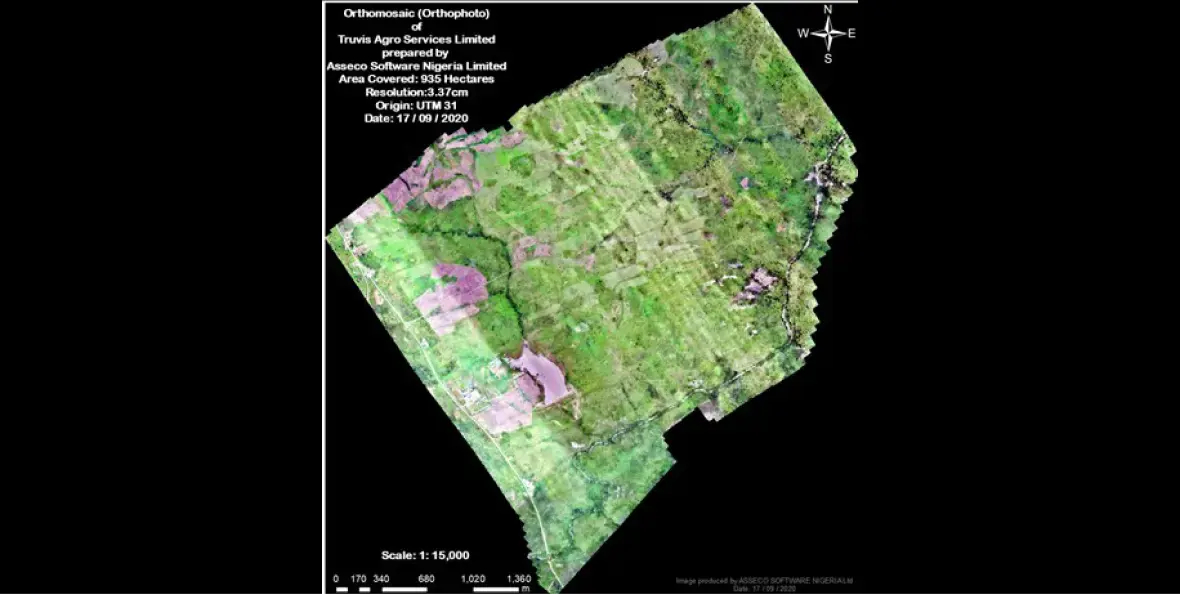
Drones or UAVs are also more and more used in agriculture. Thanks to their miniaturization, they are a cost-effective way to obtain real-time and accurate imagery. The information gathered by drones on farms is often used to better inform agronomic decisions and helps farmers plan their planting and treatments to achieve the best possible yields.
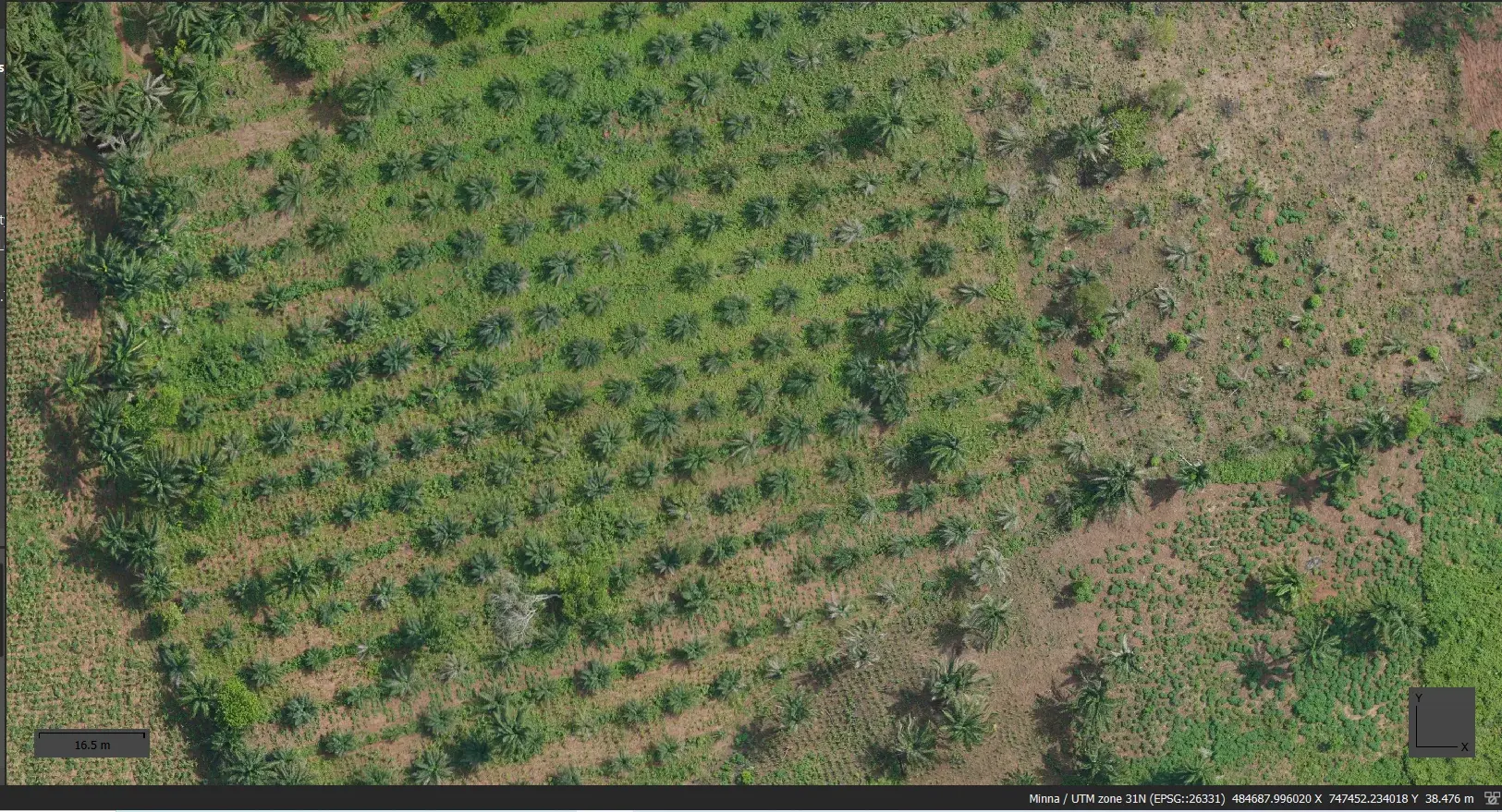
UAVs are typically used in agriculture to:
Monitor plant health. Drones equipped with special imaging equipment called Normalized Difference Vegetation Index (NDVI) use detailed color information to indicate plant health. This allows farmers to monitor crops as they grow so any problems can be dealt with fast enough to save the plants.
Monitor field conditions. Drone field monitoring is used to monitor the health of soil and field conditions. Drones can provide accurate field mapping including elevation information that allow growers to find any irregularities in the field. Having information on field elevation is useful in determining drainage patterns and wet/dry spots which allow for more efficient watering techniques. Some agricultural drones have sensors for nitrogen level monitoring, which allows for precise application of fertilizers, eliminating poor growing spots and improving soil health for years.
Security. Using drones to monitor the far reaches of a farm without having to get there saves valuable time and allows for more frequent monitoring of hard to reach areas. Drone cameras can provide an overview of farm operations throughout the day to ensure operations are running smoothly and to locate equipment being used. Security drones can be deployed to monitor fencing and perimeters of more valuable crops instead of employing more security personnel. Drone cameras are also being used to protect farm animals by locating missing or injured herd animals in far off grazing areas.
Spray application. Drone sprayers are able to navigate very hard to reach areas and save workers from having to navigate fields with backpack sprayers, which can be hazardous to their health. Drones sprayers delivery very fine spray applications that can be targeted to specific areas to maximize efficiency and save on chemical costs.
Planting & seeding. One of the newer and less wide spread uses of drones in agriculture is for planting seeds. Automated drone seeders are mostly being used in forestry industries. Planting with drones means very hard to reach areas can be replanted without endangering workers. They are also able to plant much more efficiently with a team of two operators and ten drones capable of planting 400,000 trees a day.